Empty Champs Elysees opportunity is imagined on March 28, 2020 in Paris, France. The nation has presented fines for people caught breaching its nationwide lockdown measures planned to stop the spread of COVID-19
Pascal Le Segretain|Getty Images
Global greenhouse gas emissions plunged by roughly 2.4 billion heaps this year, a 7%drop from 2019 and the biggest decrease on record, activated by worldwide Covid-19 restrictions, according to new research from the University of East Anglia, the University of Exeter and the International Carbon Project.
Researchers stated carbon emissions will likely rebound in 2021 and advised governments to focus on a shift to tidy energy and policies that deal with climate modification in their financial recovery strategies.
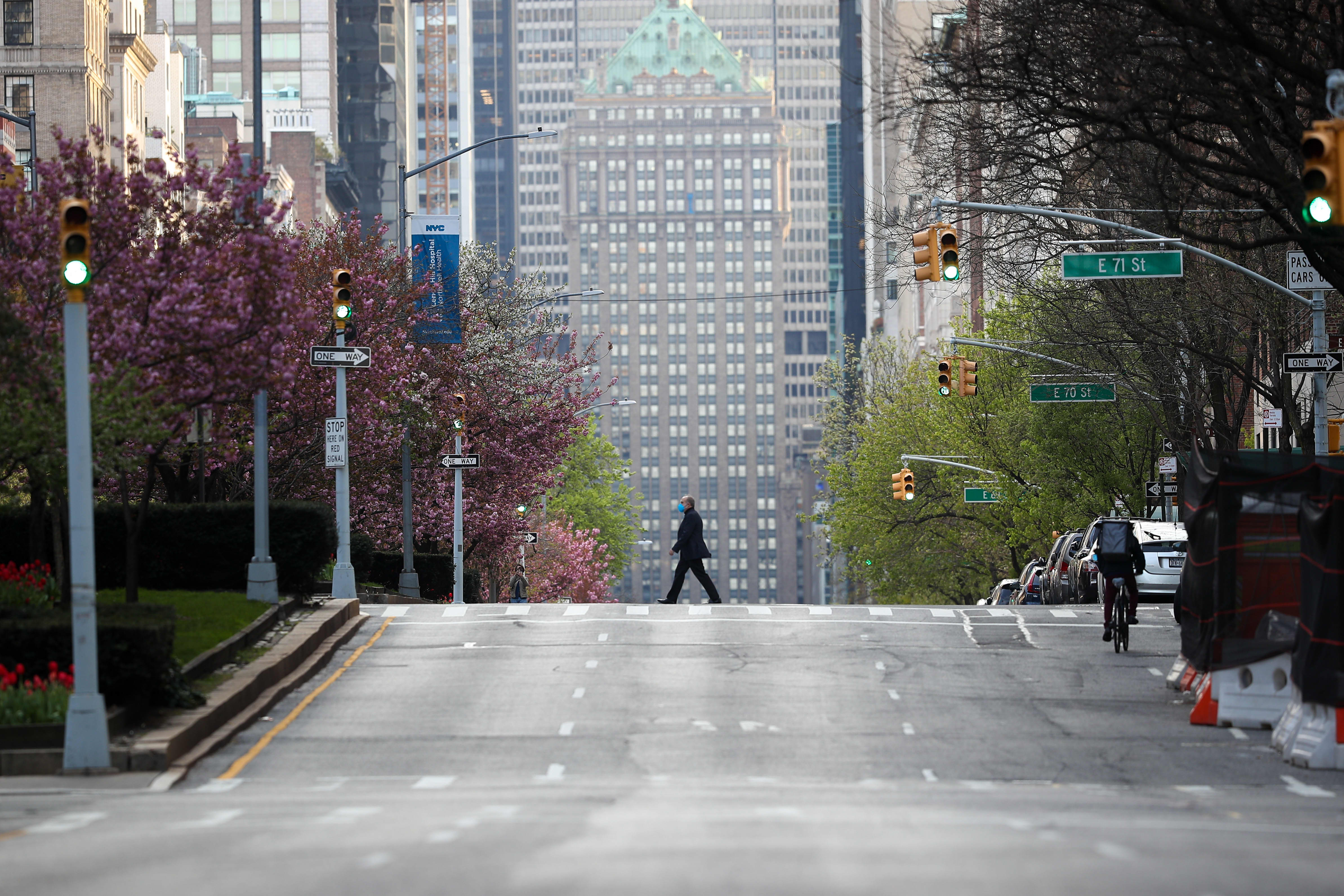
Day-to-day worldwide carbon emissions stopped by 17%during the peak of pandemic lockdowns in April but have since surged and neared 2019 levels again, according to the report, released on Thursday in the journal Earth System Science Data.
” All aspects are not yet in place for continual reductions in international emission, and emissions are slowly edging back to 2019 levels,” Corinne Le Quere, a teacher at the UEA’s School of Environmental Sciences, stated in a declaration.
” Government actions to stimulate the economy at the end of the Covid-19 pandemic can likewise assist lower emissions and tackle climate change,” she included.
The U.S. saw the largest drop in carbon emissions, 12%, followed by the European Union, at 11%, the report said. In both, pandemic constraints accelerated drops in using coal in electrical energy production and oil in transport.
Among establishing nations, India saw carbon emissions decline 9%, however China had a drop of simply 1.7%. China’s lockdown procedures happened previously in the year and were shorter in period, and constraints on carbon emissions occurred on top of the country’s increasing carbon emissions.
A decrease in transportation activity drove the international drop in carbon emissions. Emissions from vehicles and air travel fell by about half during the peak of Covid constraints in April and by December dropped about 10%and 40%, respectively, from 2019 levels, according to the report.
More from CNBC Environment:
A historical Atlantic typhoon season is ending. Here’s a look at the records it shattered
Biden will rejoin the Paris Climate Accord. Here’s what happens next
‘ We are out of time’: Harmful wildfires in Colorado grow worse as season lengthens
” Rewards that assist speed up the deployment of electric vehicles and renewable energy and support walking and cycling in cities are especially prompt provided the comprehensive disruption observed in the transport sector this year,” Le Quere said.
The historical drop in worldwide emissions has likewise had a minimal result on carbon concentrations in the atmosphere, which are warming up the Earth and aggravating climate catastrophes, ice melt and sea-level increase.
In 2020 alone, environment change-fueled wildfires burned a record quantity of land in the U.S. West and the most active Atlantic typhoon season on record ravaged Central America and the Gulf Coast states.
” The climate system is driven by the total amount of CO2 put in the atmosphere over centuries,” stated Glen Peters, a research director of the International Climate Research Study in Norway and a member of the Global Carbon Task.
” Although emissions fell in 2020, they were still around the very same levels as in 2012, and the drop is insignificant in comparison with the overall amount of CO2 produced over the past centuries,” he stated.
While global carbon emissions have actually increased gradually over the last years, scientists stated that emissions development has actually begun to increase more gradually over the last few years, mainly due to changes in the production of coal.
” Global warming stops when emissions get to around no, and Covid-19 has not altered that,” Peters stated.

No comments:
Post a Comment