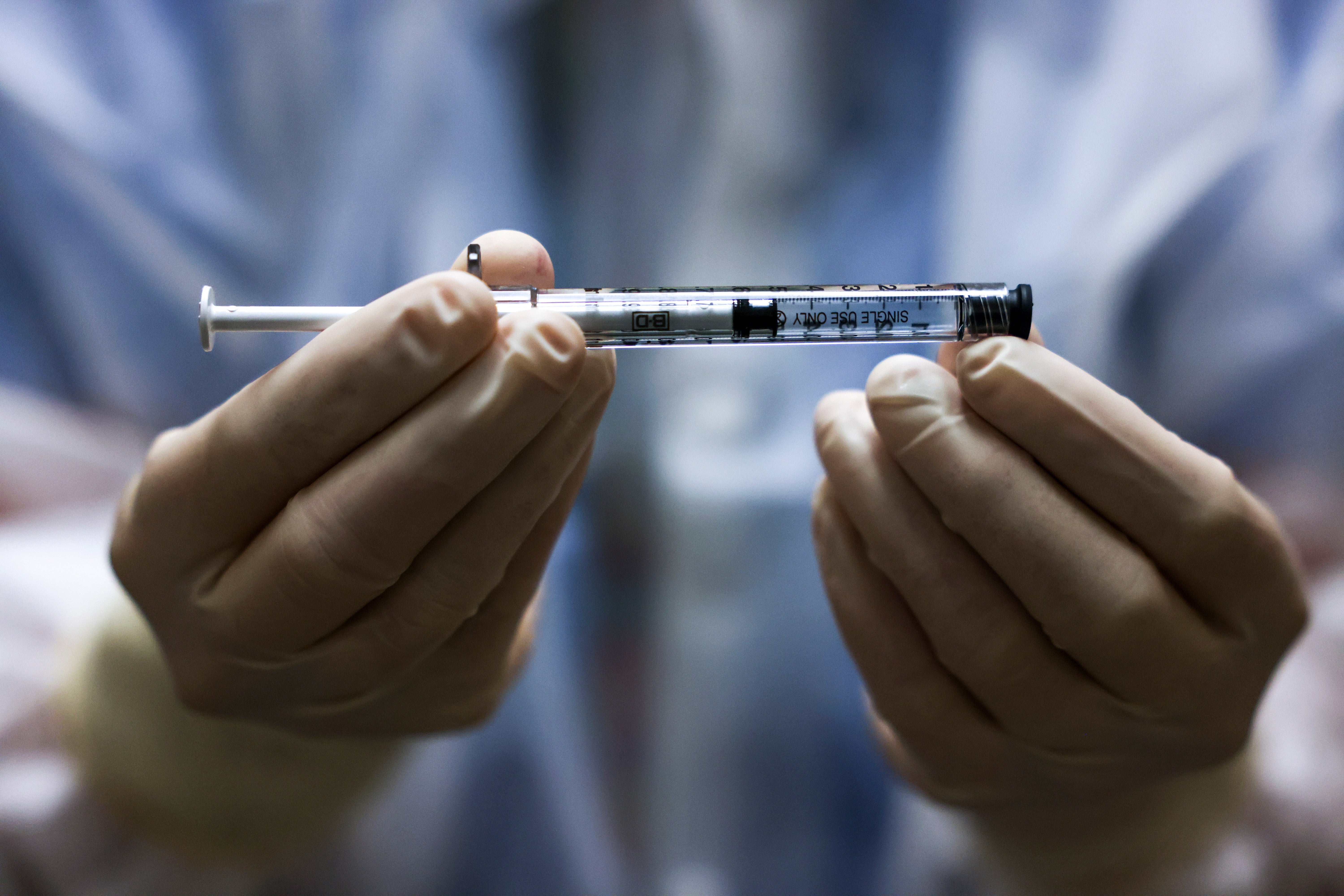
If you get the vaccine and still get contaminated, does the vaccine still make a difference? Will it prevent serious disease or death?
Yes, what we’ve seen with the majority of the present vaccines is less extreme symptoms and practically no hospitalizations and deaths in immunized people who end up being infected. Numerous vaccine trials have observed a reduction in extreme illness in the immunized subjects. With a couple of exceptions– such as, perhaps, the AstraZeneca vaccine in South Africa– the vaccines appear to minimize your threat of getting symptomatic COVID, however if you do get it, it’s highly likely to be a less serious case.
Do the vaccines protect versus the brand-new virus versions, consisting of those first determined in the U.K., South Africa and Brazil?
The data so far suggest that most of the vaccines do supply at least some protection against the brand-new versions. We can see from some of the clinical trial data and antibody neutralization studies, however, that vaccines designed versus the original stress of the virus may not be rather as reliable against certain new variants– especially versus anomalies discovered in the B. 1. Many of the brand-new versions have changes in the spike protein, which the infection utilizes to contaminate cells, so it’s a little bit different than what an immunized individual’s body has seen prior to in the vaccine.
What is the difference between mRNA and viral vector vaccines?
An mRNA vaccine– such as the ones made by Pfizer-BioNTech or Moderna– supplies genetic directions for making viral proteins in the kind of single-stranded RNA, in a lipid coat, to your cells, without injecting any infection itself. This has some interesting advantages because it only contains those infection elements that you want the body immune system to acknowledge, and it triggers your own cells to mimic the way viral proteins are made when a cell is naturally contaminated with the infection. It is incredibly good at inducing the very same kind of immune response that would happen in a natural infection. A disadvantage is that the mRNA needs to be kept really cold for it to be steady.
Viral vector vaccines– such as those made by AstraZeneca or Johnson & Johnson– use double-stranded DNA rather of RNA, but are still providing genetic guidelines to your cells. They use a customized, safe virus (not SARS-CoV-2) to deliver the directions for making viral proteins.
Is there a “best” vaccine?
Various vaccine styles are chosen because they have distinct benefits, so there is not a “best” vaccine, however there might be a vaccine that is better for a certain group of people to take. Both mRNA and viral vector vaccines advise your cells to make pieces of the coronavirus spike protein so that the next time your body encounters those proteins it can install an immune reaction. Efficacy numbers are derived from various medical research studies that were carried out in different settings, so rather of comparing those numbers, the important things to eliminate is that the licensed vaccines usually work. They have efficacy.
Will the vaccine protect you from giving the virus to others?
We hope so, however we don’t totally understand yet. There are two essential objectives of vaccines: to protect the specific and to stop the spread of illness. We do have factor to be enthusiastic based upon what we understand about viruses and some emerging data, but we still do not know for sure if vaccinations will reduce disease transmission That is why it is essential to continue social distancing, wearing masks and following other guidelines to avoid the spread of illness, even if you have actually been immunized.
Will the vaccine’s effectiveness “wear off” over time?
This could happen. Vaccines often require booster doses to provide the best levels of protection. Some vaccines can protect someone for a lifetime whereas others need a boost every few years. It will be very important to keep track of immune actions gradually in those who are immunized so we will understand if and when boosters are required. The majority of the presently readily available COVID vaccines require two dosages to be fully effective. The CDC just recently expanded the suggested allowed period in between doses since of limited availability, although some professionals have slammed the decision
Should you be worried about allergies to the vaccine?
Allergies can occur in response to any injected vaccines or drugs, but they are very rare. The vaccines should constantly be administered in a setting where health care service providers can deal with any allergic reactions that develop unexpectedly. Individuals do not require to be worried about the vaccines if they have food allergic reactions or latex allergies. The majority of people do not need to stress over an allergy. For those with a history of extreme allergies or allergic reactions to the vaccine components, it would be best to discuss it with a medical professional prior to getting the COVID vaccine.
What adverse effects might you experience, and are those typical?
The common adverse effects are what we would expect for other vaccines: tiredness, headache, fever– especially after the second dose– and acute pain at the injection site, which can feel warm to the touch and inflamed; all of these symptoms are signs of immune reaction. These responses are really common and typically indicate that the body immune system is striving to acknowledge the vaccine and keep in mind the new infection for next time.
How can you guarantee you’re getting a legitimate, authorized vaccine?
It is constantly crucial to take vaccines under the supervision of a certified medical provider. Make a consultation with a designated center or retail drug store where vaccines are readily available. Check with your physician about any issues since there are clear distribution plans for vaccines in the majority of places.
Read more about the coronavirus outbreak from Scientific American here And check out protection from our international network of publications here

No comments:
Post a Comment