
With COVID infection rates blowing up and hospitalization rates increasing as we go into the cold winter months, the risk this presents to our recovering real estate market is a question that should be dealt with.
Prior To COVID-19 struck our coasts, we were trending at 10?velopment, working at cycle highs in need.
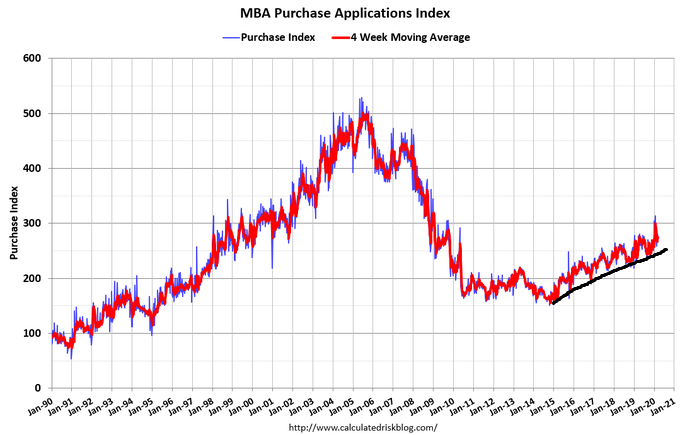
Then COVID-19 hit and we had nine successive weeks of year-over-year decreases.
We eventually turned favorable on a year-over-year basis and got a true V-shape healing, in spite of all the Housing Bubble Boys’ protestations requiring a crash. You may have heard whispers about a “W-shape market,” meaning a decrease after the recovery. Instead, we have actually had 25 straight weeks of year-over-year growth, balancing over 20%.
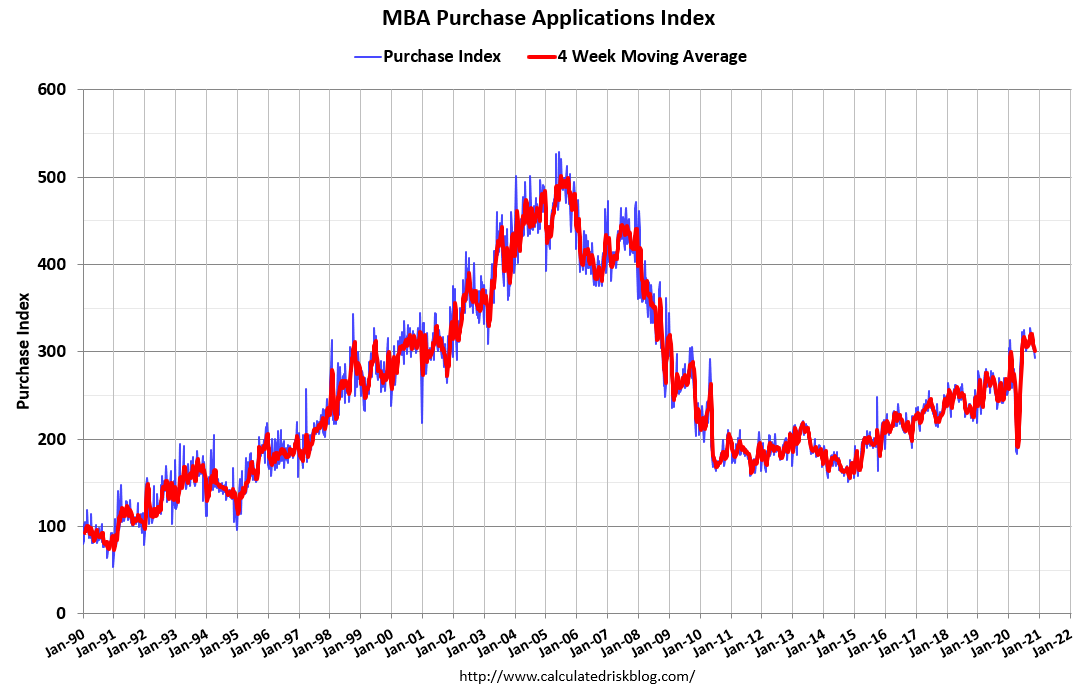
I anticipated the year-over-year purchase application data development to be moderate, however up until now, it has continued on its 20%year-over-year development pattern for 25 weeks. Much of this growth can be ascribed to make-up need for the nine weeks of declines we saw in the conventional heat months. Total volumes that would generally fall after May are finally revealing some of the common seasonality aspects with this information line.
In November and December, the year-over-year growth should moderate, and the surge in cases might help in this small amounts.
For the last 6 weeks, purchase applications have actually been up by double digits compared to2019 Remember, this metric is forward-looking by 30-90 days.
16
25%
24%
26%
24%
22%
We always want to keep an eye on the year-over-year growth information. But, with increasing cases and more constraints being put in place, the concern remains whether the housing market will be negatively impacted in the short-term.
How much house can I pay for to purchase?
For lots of, the homeownership journey logically starts by attempting to figure out just how much house you can manage.
Provided by: Citi Mortgage
The answer is, yes, it could be negatively impacted, but 2 aspects will keep it from looking like it did in late March and April.
First, we’ve all been here before. For the many part, we are no longer prone to worry when infection rates increase. As a country, we are finding out to take in items and services with an active virus infecting and killing Americans every day. We are not hoarding bathroom tissue or hunching down in our houses, scared to open our computer systems and check out what is on the market.
And 2nd, COVID tests are more widely available, treatment for infections show fantastic pledge, and efficient vaccines seem just around the corner.
For these reasons, the virus and society have reached a sort of detente. We still need to be cautious and careful, however we no longer have the energy to maintain stringent caution. The raw shock and fear of having an active virus come into our economy, which was working from the longest economic growth ever recorded in history, can’t be duplicated.
Greater infection rates and the resumption of shut-down protocols can drive growth into single digits compared to last year, but we ought to still see development.
Low mortgage rates and the most respected housing market spot ever in U.S. history (ages 26-32 are the most significant in America) will soften any recession in the market due to COVID-19 Next year, a vaccine and better treatments– as soon as distributed– will have self-confidence roaring back.
The financial markets appear to concur with my assessment that housing and the economy will stay stable, regardless of the recent COVID-19 surges.
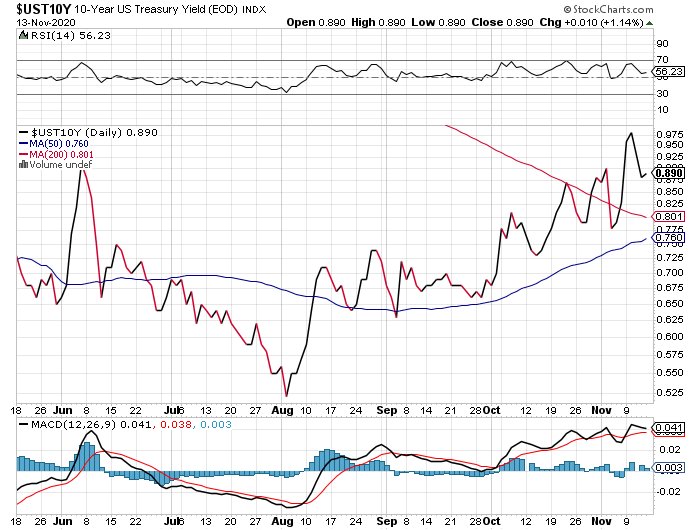
Last Friday, the stock exchange struck an all-time high, and last week the 10- year yield struck a current high of 0.98%– a mere 2 basis points away from checking off the last variable of the America is Back (AB) model
On March 9 2020, the bond market was trading at 0.32%. We are a long way from those fear-ridden days. Friday’s close revealed confidence in a much better future as terrific news on an effective vaccine hit the wires recently.
Another measure of self-confidence, the St. Louis Financial Tension Index, has been declining after the initial spike earlier in the year.
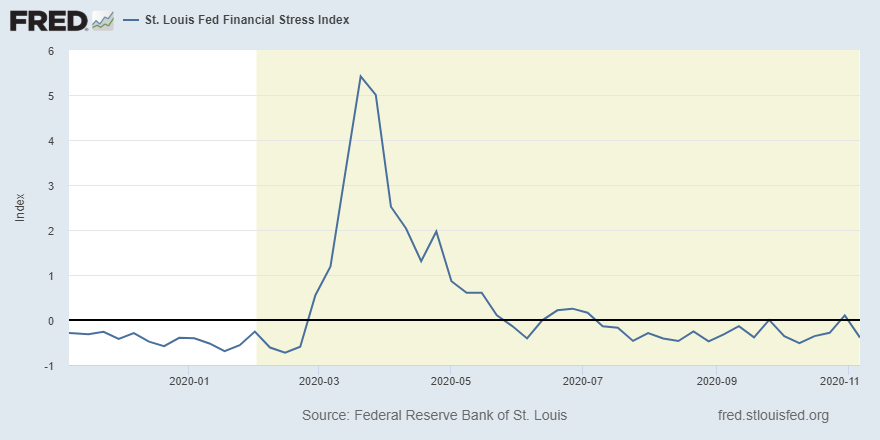
The bond market, the stock market, and stress indicators all held up OK with the second rise of infections we had a few months back.
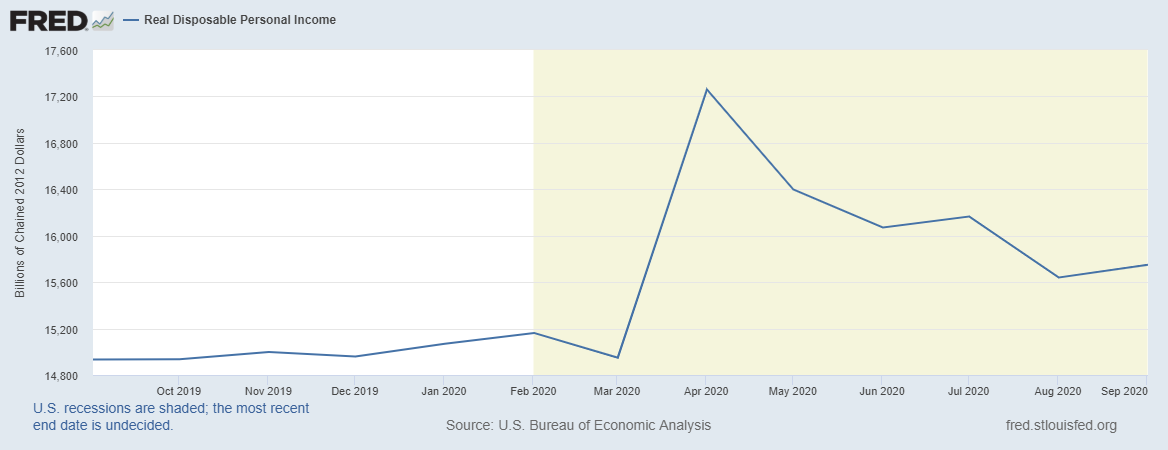
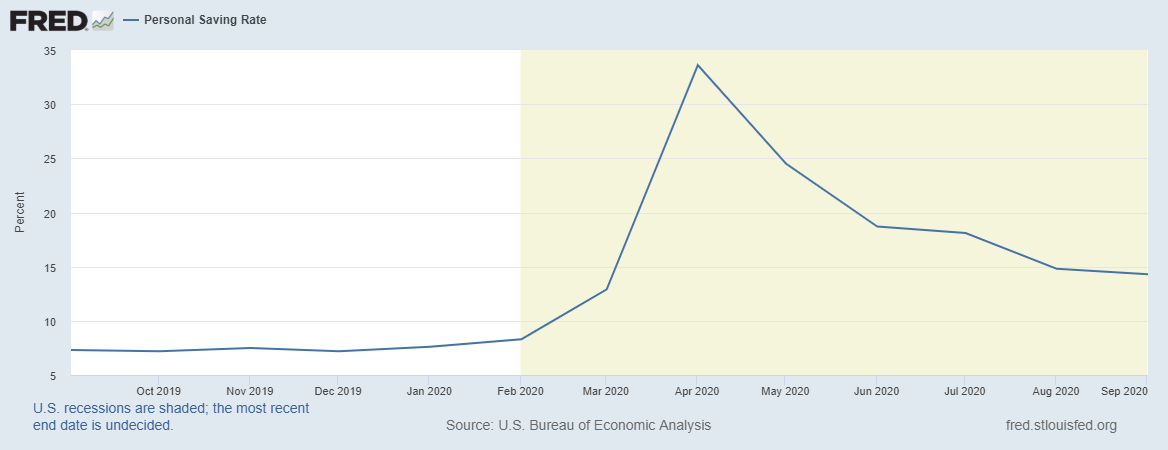
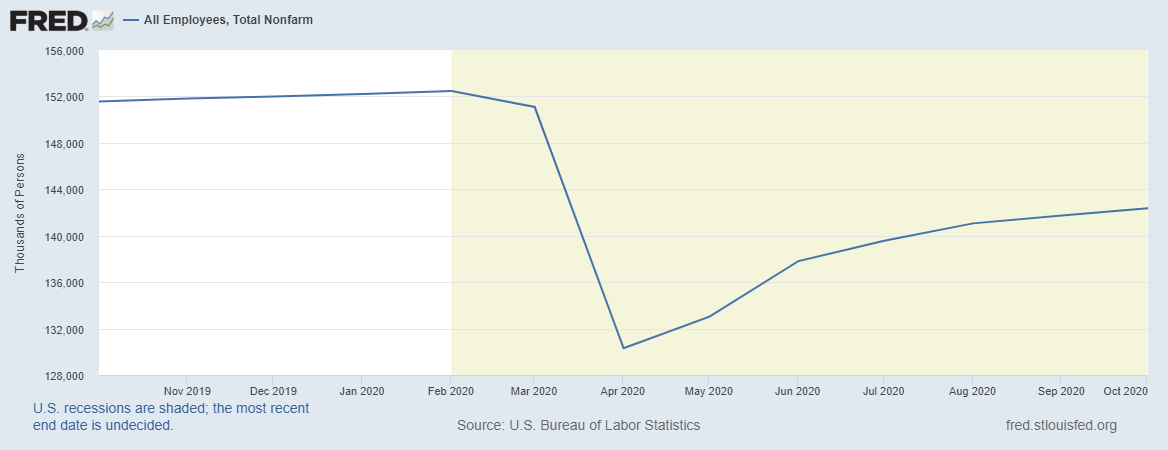
Even if we had actually not experienced a boost in COVID-19 cases, I would expect real estate information to moderate. The parabolic development in some of the real estate metrics isn’t typical. We might see more small amounts in the year-over-year development for the purchase application data to bring these numbers back to the pre-COVID-19 trend.
Be careful of housing bears attempting to bestow their real estate crash and W-shaped theories when this occurs. Don’t get too worried over any decreasing of the economy as long as the 10- year yield is above 0.62%. This has been my primary rule of thumb because this crisis began.
We are almost through this. I still believe with my heart, mind, and soul what I composed on April 7, 2020— our victory may be delayed, however it is still within our grasp:
My faith in America winning has never let me down because I always believe in my individuals and country.

No comments:
Post a Comment