
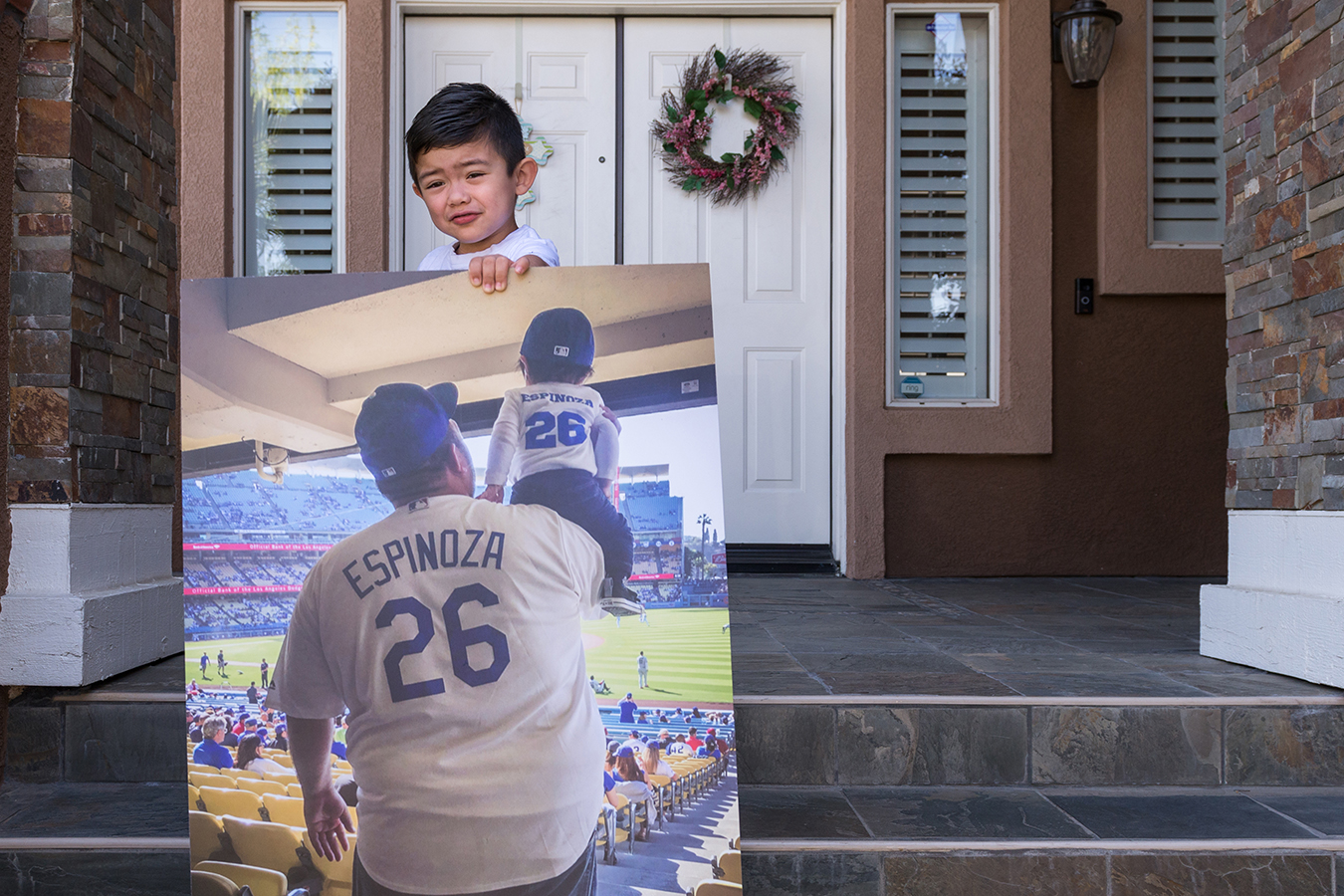
CORONA, Calif.– Antonio Espinoza liked the Los Angeles Dodgers. He liked them a lot that he was put to rest in his preferred Dodgers jersey. His friends and family, including his 3-year-old boy, put on a sea of blue-and-white baseball t-shirts and caps in his honor.
Espinoza passed away at age 36 of covid-19, simply days after he got his very first dosage of a covid vaccine. He was a hospice nurse who put his life in risk to assist covid clients and others have a serene death.
When covid hit, it was not a surprise to his household that this “mild giant,” as loved ones called him, stepped up to the plate.
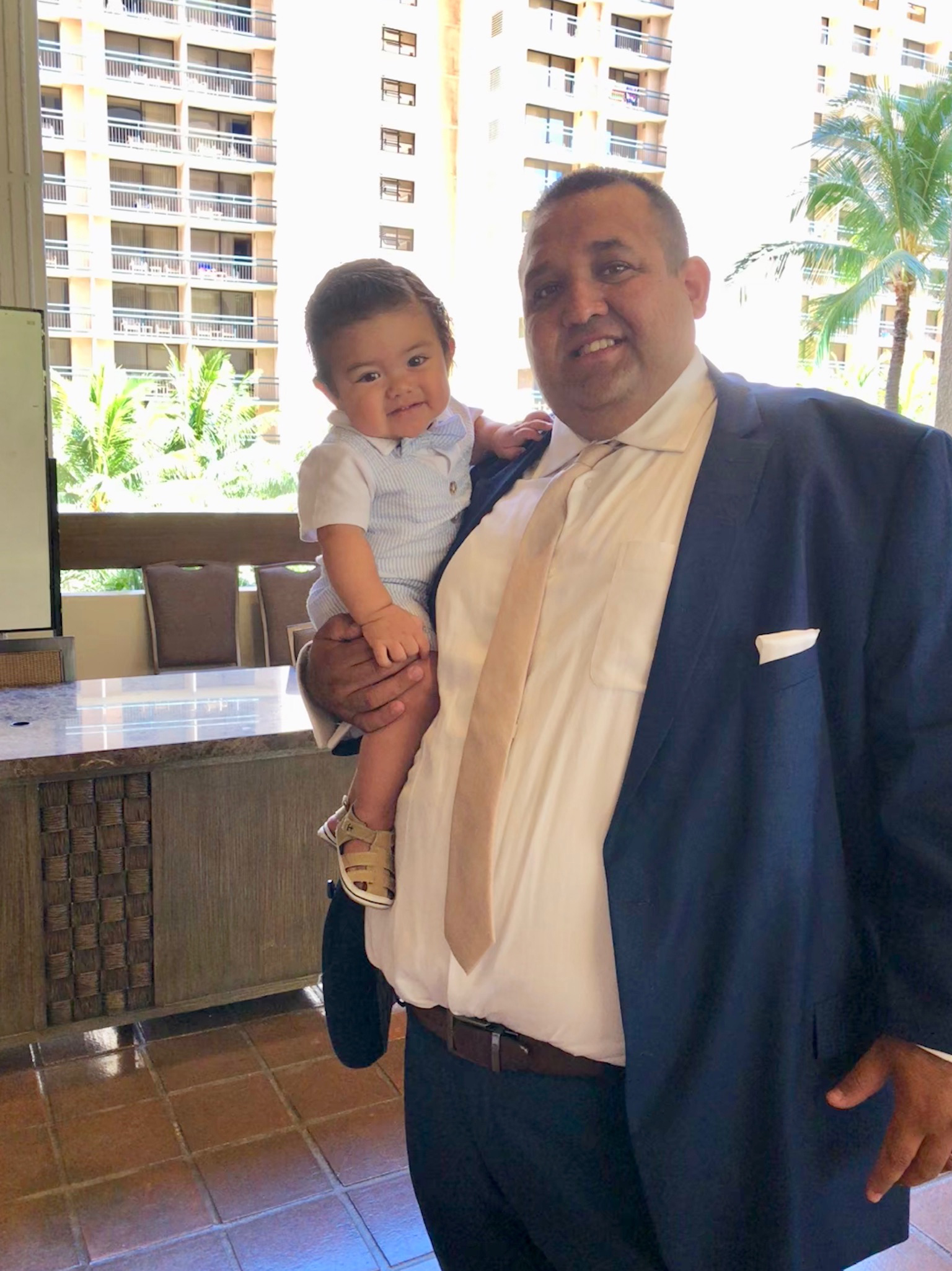
” His mindset resembled, ‘No, I’m not going to be terrified,'” stated Nancy Espinoza, his other half of 10 years. “This is our time to shine,” he informed her. “I ended up being a nurse for a factor.”
As a hospice nurse and chief nursing officer for Calstro Hospice in Montclair, California, Espinoza consistently made home calls, checked out helped living centers and carried out death sees– throughout which hospice nurses pronounce clients dead.
Hospice employees aren’t simply physicians and nurses, however likewise consist of house health assistants, social employees, pastors and therapists. In the previous year, they have actually often visited a few of the highest-risk environments, such as nursing houses, helped living centers and clients’ houses.
Hospice needs intimate client care, and the extra security requirements and require for individual protective devices made it difficult, stated Alicia Murray, board president of the Hospice and Palliative Nurses Association Hospice employees adjusted, she stated, understanding they may be the only individuals who might comfort passing away clients when household members were not enabled to check out medical and long-lasting care centers.
” They’re looking after passing away individuals and, in specific, individuals passing away of covid who might be gushing out the infection,” stated Dr. Karl Steinberg, a geriatrician and palliative care professional who is the medical director of Hospice by the Sea in Solana Beach, California, and a number of assisted living home.
A couple of months into the pandemic, when Calstro Hospice started looking after covid clients, Espinoza assisted establish a covid system. Part of his task was to ensure team member had adequate individual protective equipment, including himself.
” Some individuals had a tough time obtaining all the PPE equipment, however his workplace had sufficient devices,” his better half stated. Prior to he got ill, he was thrilled to get a huge delivery of dress, N95 masks, booties and face guards from San Bernardino County, she stated.
Espinoza fell ill a couple of days after his very first dosage of covid vaccine on Jan. 5, however went to work believing it was vaccine-related. “He had sort of an aching throat and felt a bit under the weather condition, however absolutely nothing significant,” stated Nancy Espinoza. His signs advanced to a fever and chills and he checked favorable for covid on Jan. 10.
7 other Calstro Hospice employee likewise got covid throughout the pandemic, stated Jennifer Arrington, Calstro Hospice’s director of client care services.
Espinoza was a victim of bad timing, according to Dr. Lucy Horton, transmittable illness expert and associate teacher at the University of California-San Diego School of Medication.
The infection’s incubation duration averages 5 to 7 days, she discussed. “If you check favorable a couple of days after the vaccine, opportunities are you really got exposed prior to you even got your very first dosage,” she stated.
Horton stated individuals aren’t completely immunized till a minimum of 14 days after their 2nd dosage of a two-dose vaccine, or their very first dosage of a one-dose variation. Early after the very first dosage, individuals do not profit of the vaccine yet, she stated.
” Even after you’re completely immunized, there still is a staying danger,” stated Horton, co-author of a letter to the New England Journal of Medication about post-vaccination infection rates amongst healthcare employees in California. “Even if it’s a lot lower, it’s still present.”
Espinoza understood he wished to look after others and enter into healthcare considering that he remained in high school, and understood the Hispanic neighborhood required Latino nurses in hospice care, his better half stated. “He made it his function to assist the Hispanic neighborhood comprehend hospice care and not hesitate of it,” she stated.
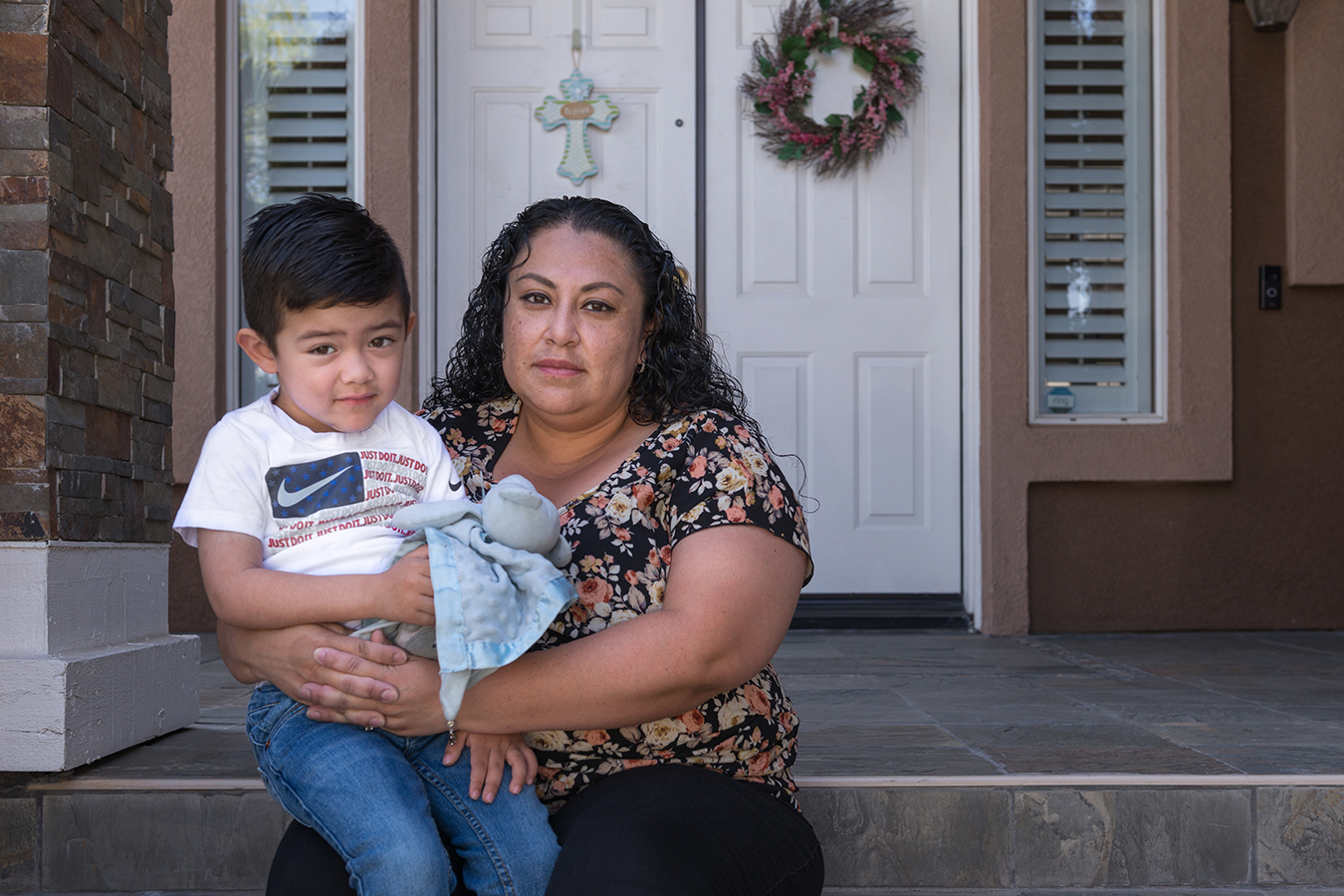
On Jan. 15, Nancy Espinoza and the couple’s young child, Ezekiel, talked to Antonio over the phone for the last time. “I like you” were latest things she heard her hubby state.
She was permitted to visit him right prior to he passed away on Jan.25 He was intubated with an oxygen level of 25%.
Nancy Espinoza stood in the space alone with her spouse for the last time. “I simply wished to have the ability to hold his hand and wish him,” she stated. “I desired him to understand that he wasn’t alone.”
This story becomes part of “ Lost on the Frontline,” a continuous task from The Guardian and Kaiser Health News that intends to record the lives of healthcare employees in the U.S. who pass away from COVID-19, and to examine why numerous are victims of the illness.
This story was produced by KHN, which releases California Healthline, an editorially independent service of the California Healthcare Structure

No comments:
Post a Comment