
In their training, instructors are taught to manage the class. The capability to keep this control, in turn, is typically utilized as a make-or-break consider figuring out whether, in the eyes of their principals and peers, instructors prosper or stop working. As an outcome, not able to require trainees to do what they state, lots of instructors conclude they lack what it takes.
While instructors have the power to stop working trainees, they can’t make them take in understanding.
In truth, nevertheless, the concept that instructors hold power over trainees and can flex them to their will is a misconception of the nature of power in schools, in addition to mentor and knowing. As the academic year ends and instructors review what they obtained from a year invested linking to trainees primarily at a range, what are the takeaways? For numerous, it’s a brand-new point of view on the power characteristics of the class.
The statement of instructors who have actually been inquired about pandemic knowing shows that making it through remote education needed extraordinary partnership, strong relationships in between instructors and students and trainees stepping up as problem-solvers Educators primed to look for those results felt far more effective than those who count on standard presumptions about power and control.
Undoubtedly, while instructors have the power to stop working trainees, they can’t make them soak up understanding. Simply as democracy counts on the authorization of the governed, trainees need to grant discover. Educators can not merely shovel understanding into trainees’ brains. The powers instructors have to form curriculum, examine trainees and appoint grades develop a mystique of instructor control that in some cases really weakens the objective of knowing. Finding out needs trainees to step up and take obligation, not merely follow guidelines.
Eventually, while lots of elements affect education, consisting of politics and hardship, finding out depends upon relationships And relationships that matter, that have the remaining power to encourage trainees (or employees) to carry out, need shared trust.
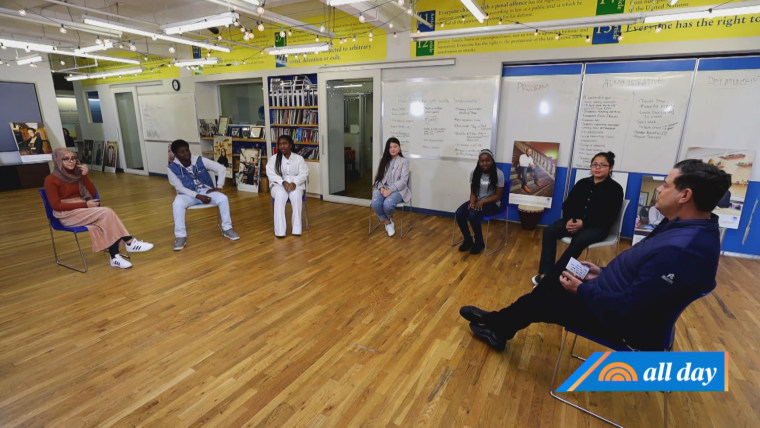
Learners carry out for instructors they appreciate and think appreciate them. They internalize and remember what matters to their lives, not what they fear forgetting on a test. Even when they do not view worth in their instructors’ lessons, trainees who trust their instructors keep an open mind and provide the advantage of the doubt. Educators should likewise find out to trust their trainees, to listen to trainee issues and include them in decision-making.
In high-functioning class, discovering occurs when power is shared amongst instructors and trainees. Educators acknowledge the value of appealing trainees, and trainees acknowledge their task to open themselves to discovering. Educators work to encourage trainees to team up, assisting them end up being contributing members of the group.
Throughout the pandemic, instructors needed to develop methods of being familiar with their trainees from a range and utilizing that understanding to draw trainees to get involved, to finish schoolwork, to sign up with the group when numerous standard approaches for instructors to put in control weren’t offered.
Even in routine class, instructors have a hard time to engage uninspired trainees sidetracked by phones, computer systems and each other. The guidelines need trainees to put away gadgets when they’re not being utilized for direction, though lots of trainees overlook them. In remote class, nevertheless, trainees apply much more power. Just they manage their cams; they choose whether to appear or vanish. This visual pointer of instructors’ powerlessness was particularly agonizing for trainers having a hard time to encourage trainees to do what they asked.
Early in this pandemic academic year, I participated in a virtual workshop in which a popular instructor educator informed individuals to firmly insist that trainees in virtual class keep their electronic cameras on. Reproducing expectations in the class, instructors required to see their trainees in order to validate their existence and verify their attention.
However engagement was a consistent battle Trainees silenced themselves to silence background sound in the house and switched off their electronic cameras, leaving instructors not sure about whether they were in fact present. High school instructors with whom I spoke stated they frequently just saw their trainees’ names on screen as they stubbornly declined to switch on their video cameras. Out of regard for trainee personal privacy, in addition to sensations of vulnerability, lots of instructors just soldiered on.
They hesitated to discard the mandated curriculum, however, handling the truth of disturbed regular life and fragmented knowing time, numerous picked more interesting lessons and activities over basic class fare. For some instructors it was a best chance to concentrate on trainee wellness and to present or stress student-centered knowing and jobs that made it possible for trainees to pick subjects of interest to them. Uncertain about how well their lessons were gotten, instructors likewise presented trainee studies and taken note of what trainees reported was working for them, offering trainees more state in how class was performed.
Sadly, keeping those relationships and producing a balance of power with trainees does not come quickly to instructors trained to manage. The message about teaming up and sharing power has actually transformed some instructors to a more student-centered class paradigm Back in the physical class, will these practices withstand? Offering trainees their appropriate function to play would eliminate instructors of big pressures for finding out results, which they have actually hesitantly withstood. Power-sharing might bring relief for everybody included.

No comments:
Post a Comment